case-studies
Catching Termites Early: A Chandler Home Saved From Hidden Slab Damage
A spring inspection in Chandler uncovered active subterranean termite mud tubes. Here's how our trench-and-treat plan stopped the damage before it spread.
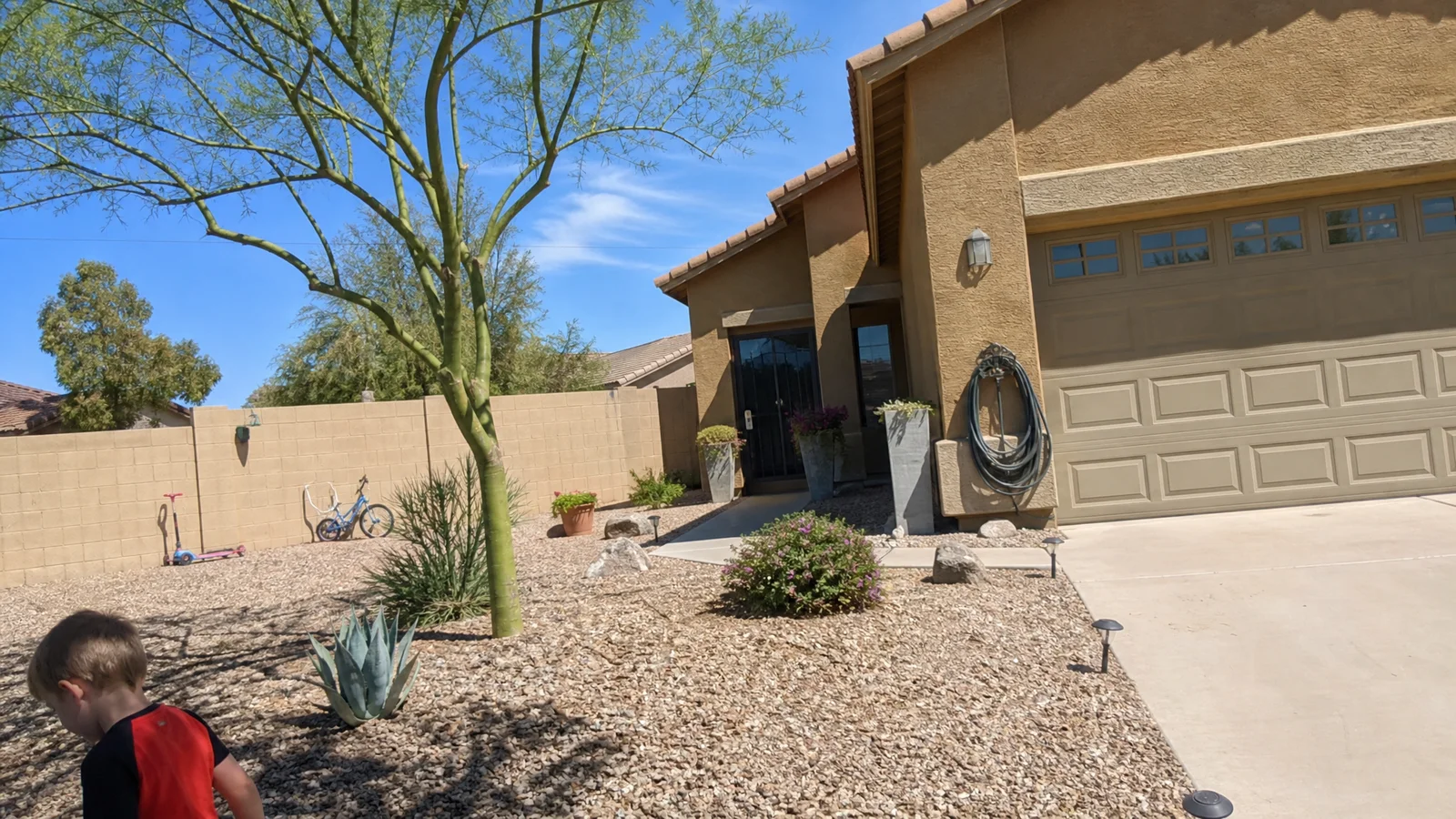
This one landed on our schedule as a routine pre-purchase termite inspection in mid-March. The buyers were closing on a 2011-build in a Chandler master-planned community — nice property, well-kept, no obvious red flags from the walk-through. The seller had disclosed no known termite history.
What we found on the inspection changed the deal, and probably saved the buyers a five-figure repair bill down the road. Here’s how it went.
The inspection
Standard termite inspections in Phoenix cover foundation walls, slab expansion joints, garage, attic, moisture areas (kitchen, bathrooms, laundry), and any wood in direct soil contact. On slab-on-grade homes — which most Chandler homes are — the primary risk is subterranean termites traveling up through slab expansion joints and into the wood framing above.
Fifteen minutes into the walk, along the south-facing exterior wall, I spotted what I was hoping I wouldn’t see: active mud tubes. Two of them, running from soil level up onto the concrete block foundation, about four feet apart. They were fresh — soft, damp, easy to break — which meant termites had been through them recently.
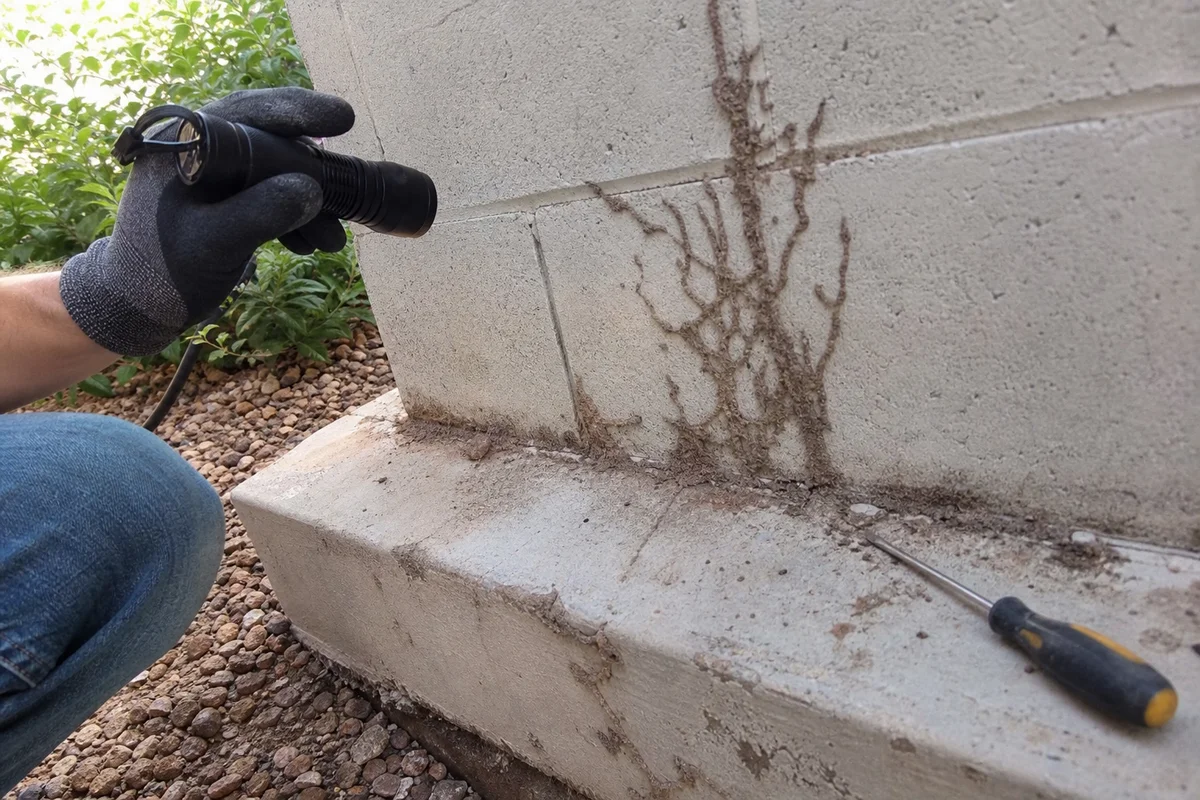
I opened one with a probe. Live termites. That confirmed active infestation, not just historical activity.
Next I moved to the interior. The kitchen and bathrooms on that side of the house — the moisture areas — got a closer look. Baseboards sounded normal on a tap test, but the wall behind the dishwasher (which butts up against the exterior wall where the mud tubes were) had a hollow patch about the size of a dinner plate. That’s usually where subterranean termites end up: they follow the moisture inside.
What the buyers were looking at
Two things needed to happen fast:
- Immediate treatment to stop active feeding before more damage
- Damage assessment to know what the buyers were actually agreeing to
I sent the inspection report to the buyers and their agent within 24 hours. The report documented the mud tubes, the hollow drywall spot, and estimated the infestation age from the mud tube condition (probably 6-12 months, but hard to pin down exactly without opening the wall).
The buyers renegotiated. Seller agreed to fund the treatment and a repair credit for the drywall/framing behind the dishwasher. The deal closed on schedule two weeks later.
The treatment plan
For a slab-on-grade home with confirmed active subterranean infestation, our default is liquid soil barrier — trench-and-treat, supplemented with slab drilling at expansion joints on the affected wall.
Here’s what that looks like on the ground:
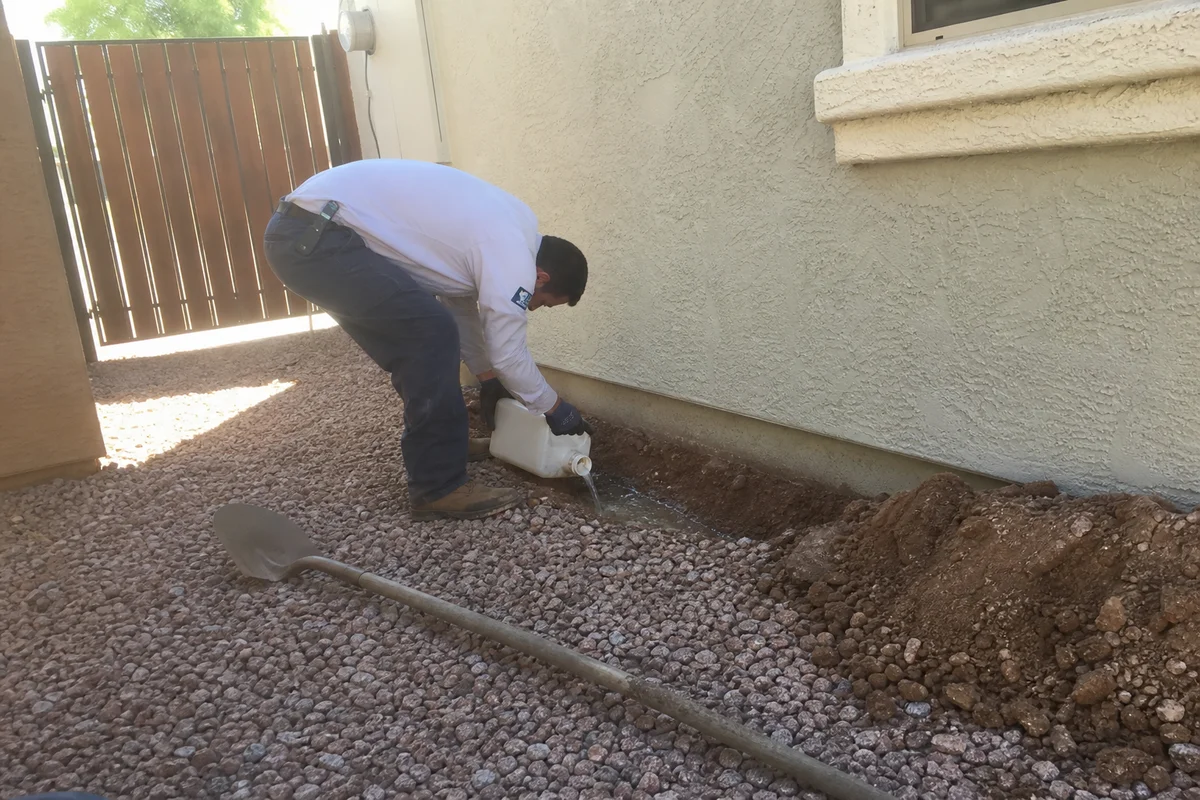
Perimeter trench. We dig a shallow trench (about 6 inches deep, 4 inches wide) all the way around the exterior foundation. Non-repellent liquid termiticide goes into the trench and then the soil is replaced. Termites can’t detect the treated zone and pass through it, picking up the active ingredient and carrying it back to the colony.
Slab drilling. On the wall where we found the mud tubes, we drilled small holes through the slab at each expansion joint (spaced roughly every 12-18 inches) and injected termiticide directly into the soil under the slab. This closes the vertical pathway termites were using to get from the soil into the wall cavity.
Interior wall treatment. Behind the dishwasher, we spot-treated the framing and drilled the slab there specifically. The drywall behind the dishwasher was already scheduled for replacement, so we could access framing directly.
Warranty. The treatment came with our standard structural-damage warranty. Annual re-inspection included.
What the buyers avoided
If those mud tubes had stayed undiscovered another 12-24 months, the story would have looked very different. Subterranean termite colonies can consume enough wood to threaten structural integrity of load-bearing walls in 18-36 months of active feeding, depending on colony size and food access. The interior wall behind the dishwasher was already showing hollow patches — the framing was actively being eaten.
Realistic worst-case had the buyers looking at:
- Interior wall demo and reframing on the south exterior wall
- Full-perimeter treatment
- Possible flooring damage where termites had reached hardwood
- Insurance issues (homeowner policies typically exclude termite damage)
Instead they got a clean start with a warrantied treatment and a repair credit that covered the cosmetic fix.
The takeaway for Chandler homeowners
Chandler is a termite pressure city. It’s built on former farmland and desert edge, the slab construction is nearly universal, and the mature landscape irrigation systems keep the soil right at the moisture level termites want.
If you’re in Chandler and you haven’t had a termite inspection in the last 3-5 years, it’s worth the $89. Same for anywhere in the East Valley — Gilbert, Mesa, and southern Ahwatukee show similar pressure profiles.
For anyone in the middle of a real-estate transaction, get the pre-purchase termite inspection done during the inspection period, not after closing. The negotiating leverage is enormous.
If you want a straight-answer inspection this month, reach out — we’ll get you on the schedule this week.
Tags