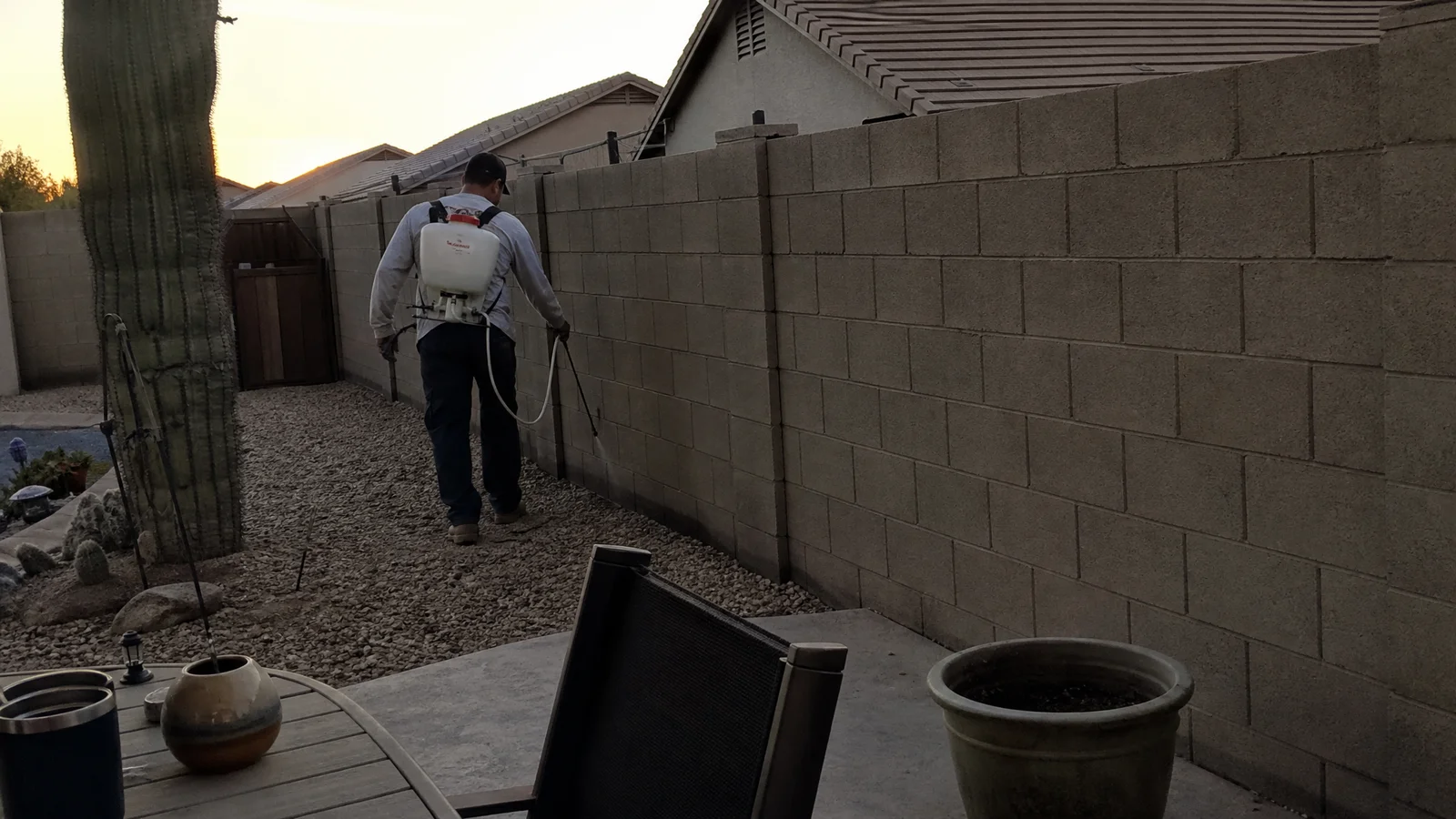
Scratching in the attic you can't trace
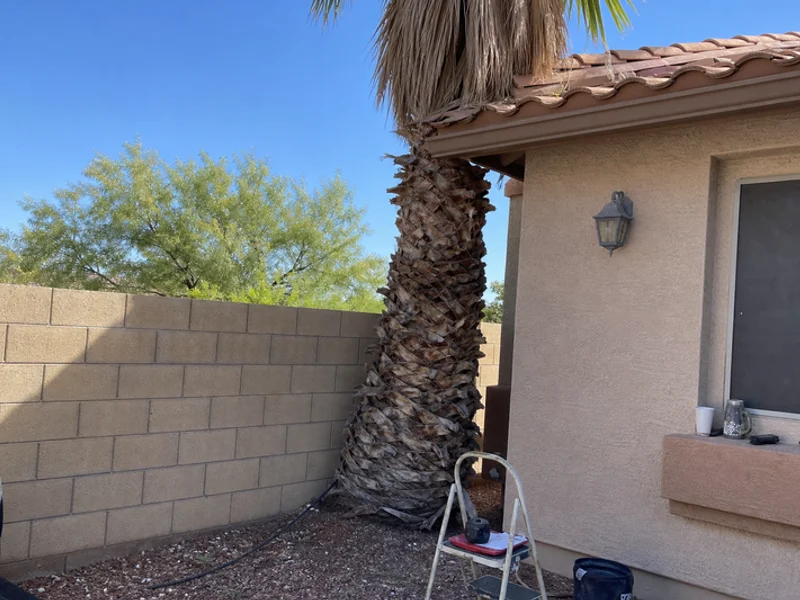
Roof rats enter through eave gaps, palm trees touching the roof line, and utility penetrations. By the time you hear them, they're already nesting.
Phoenix Metro Service
Trapping, baiting, and exclusion for desert roof rats, pack rats, and mice.
9+
Years in the Valley
4,200+
Properties Treated
4.9★
200+ Google reviews
Same-Week
Appointments
Why Homeowners Call Us
These are the situations Valley homeowners describe when they book. If any of these sound familiar, you're in the right place.
Roof rats enter through eave gaps, palm trees touching the roof line, and utility penetrations. By the time you hear them, they're already nesting.
Trapping without sealing the entry points is a cycle. A new rodent walks in the same gap behind the one you removed.
Rodents gnaw constantly. Damaged wiring is a fire risk, and contaminated insulation carries zoonotic pathogens like hantavirus and leptospirosis.
Pack rats build large stick nests in garages, under vehicles, and in HVAC units. They chew wiring aggressively and can cause expensive damage fast.
The Service
Rodent control in Phoenix means more than setting traps. Desert Shield removes roof rats, pack rats (desert woodrats), and house mice, then seals the roof-line gaps, utility penetrations, and weep holes they use to get back in — with steel/copper mesh and expansion foam. We address attic-insulation contamination and the zoonotic-pathogen risk that comes with an active infestation.
Have you ever heard a faint scratching sound above your ceiling in the middle of the night? That sound can instantly ruin a good night of sleep. Rodent control is one of the most common challenges for homeowners and business owners in the Valley.
We know how stressful it feels to discover unwanted guests in your space.
Leaving the problem alone will only make it worse, especially as temperatures change. Our team has handled countless cases just like yours.
The good news is that securing your property is actually a very straightforward process. We are going to walk you through the exact steps to take right now. Grab a cup of coffee, and let’s go through it together.
Roof rats are climbers that come in through eave gaps, roof-line penetrations, and palm trees that touch structures. They’re the most common rodent we handle in Valley homes, and they usually end up in attics.
Citrus trees and dense landscaping act as natural magnets for these agile pests. A single pair of rats can produce up to five litters in a single year, causing populations to explode quickly. Our experts often find their nests tucked away in high, hidden spaces. Preventing their access requires keeping tree branches trimmed at least three feet away from your roofline.
Pack rats (desert woodrats) are ground-dwelling and build large stick nests in garages, under sheds, in unused vehicles, and in yard storage. They chew wiring aggressively, including car wiring, and can cause real damage fast.
These massive nests are known as middens, and they often hide in pool equipment or outdoor storage areas. We regularly see cases where a pack rat has chewed through a vehicle’s O2 sensor or main wiring harness.
“Repairing the electrical and under-hood damage caused by a single pack rat can easily cost hundreds or even thousands of dollars at a local Phoenix mechanic.”
House mice show up in kitchens, garages, and pantries. Small entry points (a dime-sized gap is enough) and rapid breeding make them a numbers problem quickly.
They follow dark travel routes behind cabinets and through wall voids to find warmth. Our prevention strategy focuses on sealing these tiny quarter-inch gaps around your foundation. Storing pantry goods in hard plastic or glass containers is a simple trick that instantly reduces their food supply.
| Rodent Type | Primary Habitat | Biggest Property Threat |
|---|---|---|
| Roof Rats | Attics, palm trees, citrus trees | Chewing structural wood and attic insulation |
| Pack Rats | Garages, sheds, vehicle engines | Severing expensive automotive and pool wiring |
| House Mice | Kitchens, pantries, wall voids | Contaminating food and multiplying rapidly |
Trapping alone won’t fix a rodent problem. If the entry points are still open, a new rodent walks in behind the last one. That’s why every service pairs targeted trapping and bait stations with physical exclusion: steel or copper mesh over eave gaps, expansion foam on utility penetrations, sheet metal on gnawed spots, and door sweeps where needed.
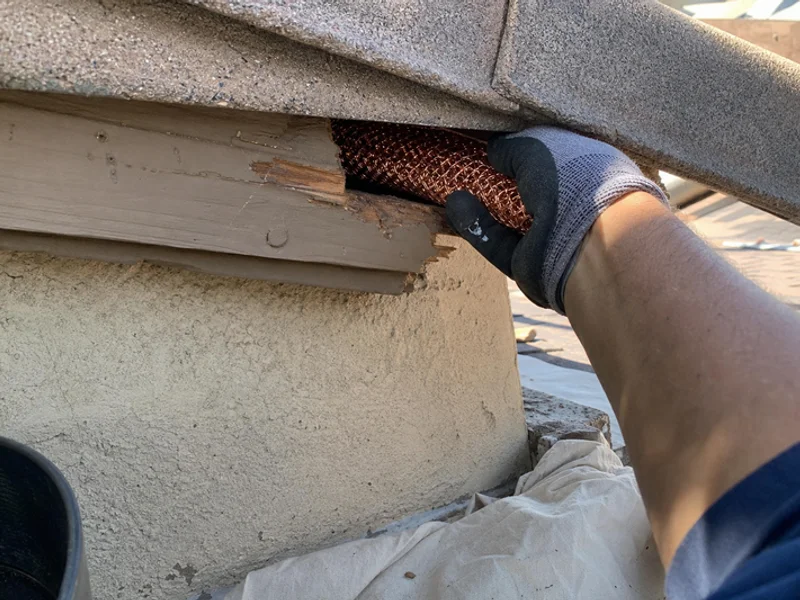
We strongly prefer using rust-resistant materials like Stuff It copper mesh for areas exposed to moisture. Standard steel wool can rust and break down quickly in Arizona irrigation boxes or exterior walls. Our technicians pack this copper material tightly into holes before applying high-quality polyurethane foam. This combination forces rodents to chew on metal if they try to return, which they absolutely hate.
Here are the most critical spots you must check around your property:
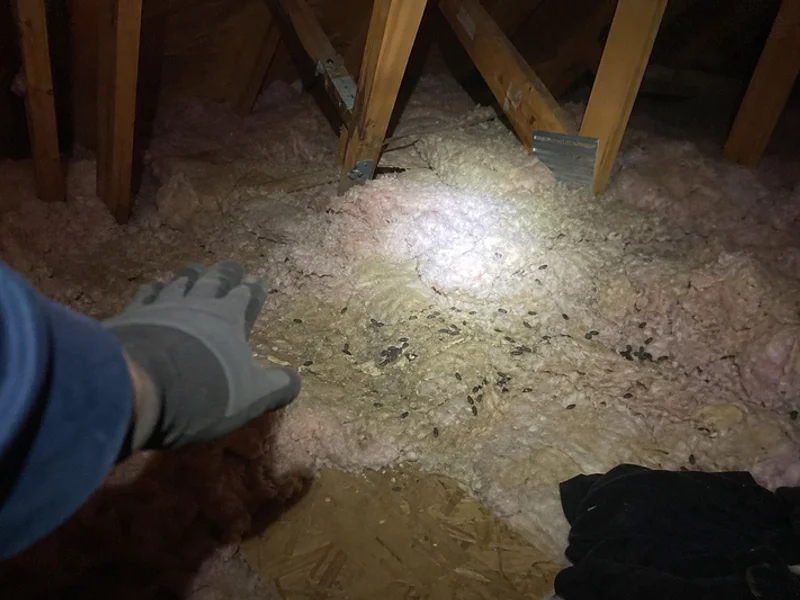
If rodents have been in the attic long enough to leave significant droppings or contaminate insulation, we tell you plainly. We don’t do insulation replacement ourselves, but we’ll refer trusted local contractors and explain what’s actually needed vs. what’s oversold.
Zoonotic-pathogen risk is real, including hantavirus, salmonella, and leptospirosis, so if you’re finding droppings, don’t sweep or vacuum without proper PPE. Call us first.
The primary hantavirus threat in Arizona is the Sin Nombre virus, which is carried by deer mice. Sweeping dry droppings can send dangerous viral particles straight into the air you breathe. Our safety protocol follows the latest 2026 state health guidelines for hazardous cleanup.
You should always treat unknown droppings as a serious biohazard by following these simple rules:
This wet-cleaning trick neutralizes the virus before you even touch the surface.
Winter (November through February) is peak rodent season in Phoenix. As temperatures drop, roof rats and mice look for warm shelter. If you saw activity last winter and didn’t seal, expect them back. A one-time trap-and-seal in October usually saves a full winter of trapping.
These pests are constantly hunting for a steady source of calories and tight cover during the colder months. We find that early intervention stops a minor issue from becoming a massive infestation. Getting ahead of the curve protects your home and gives you true peace of mind. Rodent trapping and exclusion sit outside a standard visit, so it helps to know what a general pest control service covers before you book.
To prepare for the winter spike, start implementing these habits today:
If you are ready to secure your property and handle your rodent control needs, reach out to schedule an inspection. Our dedicated team is here to solve the problem for good.
How It Works
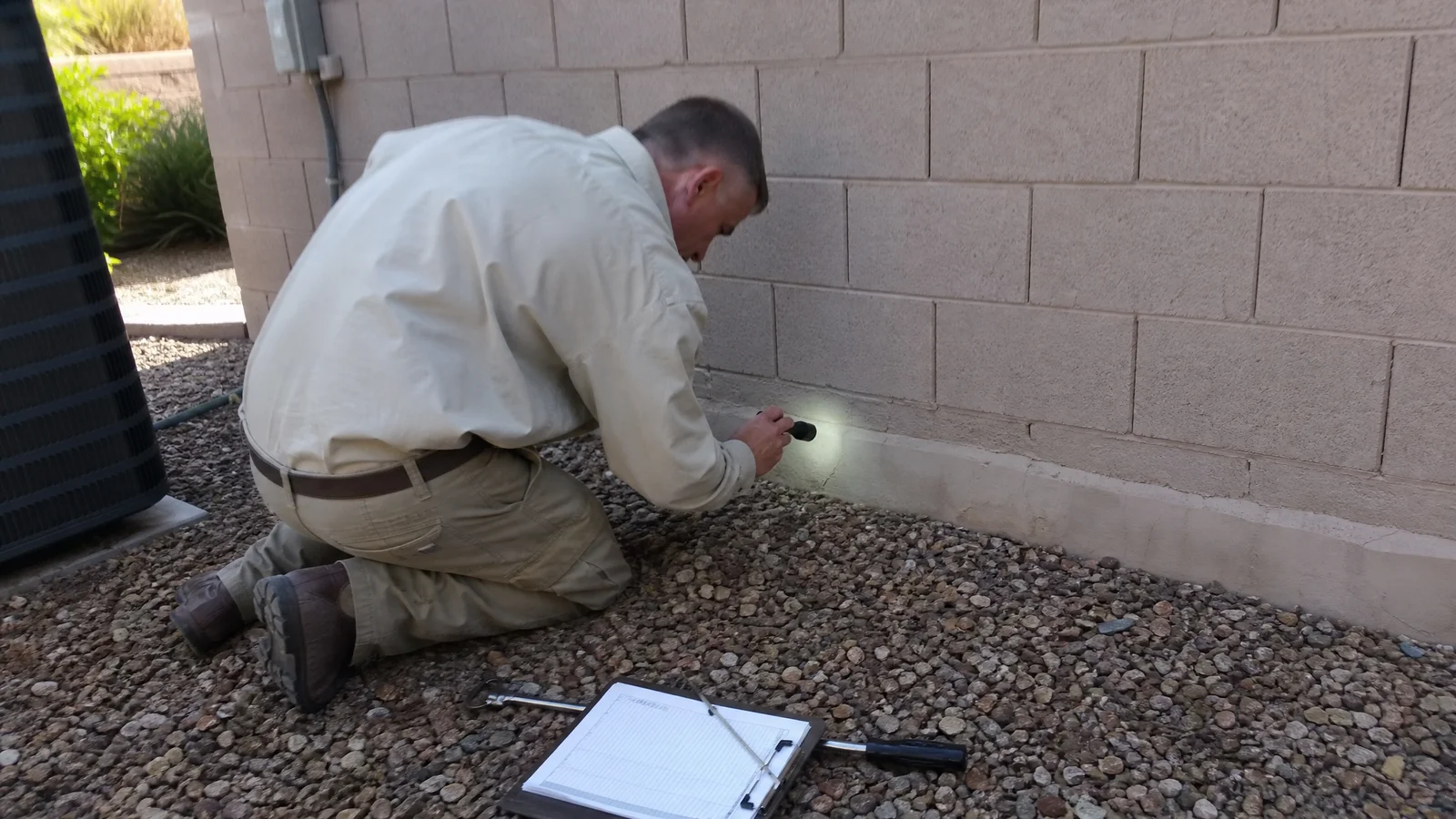
Roof line, eaves, utility penetrations, weep holes, garage gaps, and attic. We identify active pathways and species (roof rat vs. pack rat vs. mouse).
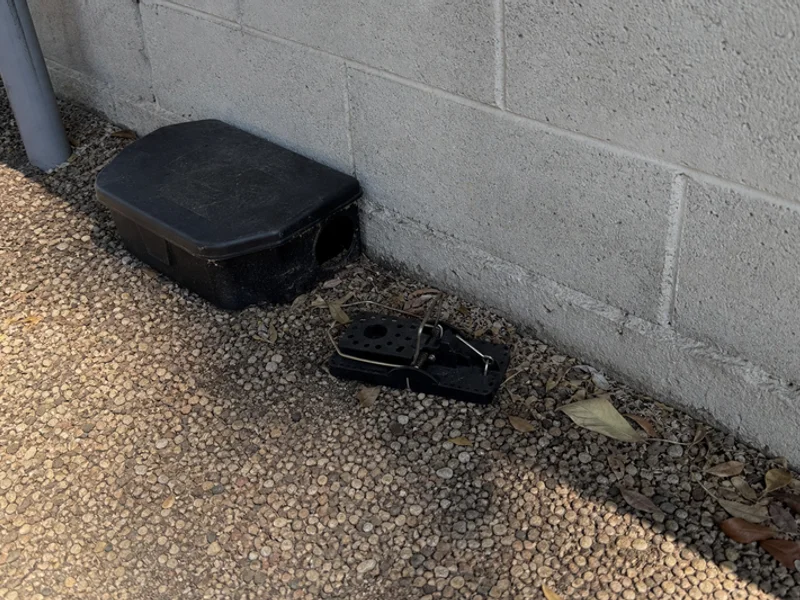
Snap traps and tamper-resistant bait stations placed strategically along travel paths. No poison scattered where kids and pets can reach.
Steel/copper mesh over eave gaps and vents, expansion foam on utility penetrations, sheet metal on gnawed access points — physical barriers that stop reinfestation.
If there's contaminated attic insulation or droppings, we tell you exactly what to remediate and refer trusted local contractors when appropriate.
On the Job
Why Us for This
01
We don't just trap. Sealing entry points is how rodent problems actually end.
02
Pack rats, roof rats, and mice all behave differently. We treat them differently.
03
Tamper-resistant bait stations and targeted trap placement — never scattered rodenticide.
Same-Week Appointments
Upfront pricing. No obligation. A licensed tech will inspect and quote before any treatment.
What Valley Homeowners Say
Real reviews from Phoenix, Scottsdale, Tempe, Chandler, and across the Valley.
"Roof rats got into our attic and Desert Shield didn't just trap them. They sealed the roof line so they couldn't come back. Same-week appointment and very tidy work."
"Pack rats had built a nest under my truck. Desert Shield cleared it out, sealed the garage gap they came through, and set tamper-resistant stations. No repeat issues in three months."
FAQ
Roof rats are climbers — they come in through roof lines and eave gaps and often live in attics. Pack rats (desert woodrats) are ground-dwelling and build large stick nests in garages, sheds, or under storage. Both need trapping plus exclusion, but the sealing focus is different.
We do both. Trapping without sealing means the next rodent walks in through the same gap. Every rodent service includes an entry-point walk-through and exclusion recommendations.
Yes. We use tamper-resistant bait stations that lock and require a tool to open — pets and kids can't reach the bait. Snap traps are placed in low-access areas (attic, garage corners, along block walls).
Most active rodent infestations are resolved in 2–3 weeks with trapping and exclusion combined. Attic populations may take longer; pack-rat nests are usually cleared faster.
Yes. We apply targeted, low-toxicity products to specific harborage and entry points rather than blanket-spraying living spaces, and we tell you exactly how long to keep children and pets off treated surfaces (typically until dry). Every technician is licensed and follows label and re-entry guidelines.
Always. We provide an upfront quote after inspecting your property and confirming the pest and its severity — no surprise charges added after the fact.
Book Now
Same-week appointments. Upfront quote. Property-specific plan. That's the standard.